Managers: Pilot shift bidding vs claiming in 4–8 weeks
A practical playbook for managers and HR: when to run shift bidding, when to use claiming, plus a 4–8 week pilot checklist and must-have software features.

Shift bidding suits complex, high-contention rosters where fairness and qualifications genuinely matter, while shift claiming works best for fast, low-friction cover on cooperative teams. Neither wins outright: most organisations end up running bidding for core, predictable blocks and claiming for the ad-hoc gaps that appear with little warning.
TL;DR:
- Bidding is better suited for high-demand shifts requiring specific skills, where fairness and transparency are critical, while claiming works well for quick, last-minute coverage.
- Bidding involves scheduled, manager-initiated processes with formal rules, whereas claiming occurs instantly on a first-come, first-served basis with minimal admin overhead.
- Effective implementation demands dedicated software with separate workflows for bid and claim boards, audit logs, mobile notifications, and fairness monitoring.
- Pilot programs should establish clear rules and baseline metrics, then review shift distribution and satisfaction to determine if the process improves fairness and efficiency.
- Combining both methods in a single platform ensures proper award logic, reduces disputes, and handles automated eligibility and distribution checks.
Table of Contents
- Shift bidding vs claiming: a side-by-side comparison
- How shift bidding works, step by step
- How shift claiming works in practice
- Benefits and drawbacks of each method
- When to use bidding, claiming, or both
- What software and policy need to make either method work
- A manager’s checklist for piloting either method
- Why the fairness argument gets overstated
- Getting bidding and claiming right with the right platform
- Sources
Shift bidding vs claiming: a side-by-side comparison
The two methods split on one basic question: who starts the process? Bidding is manager-initiated. A manager builds a package of shifts, sets eligibility rules, and lets staff rank their preferences before awards go out. Claiming flips that. An employee spots an open shift on a claim board and takes it, often on a first-come basis, sometimes with manager approval.
- Timing: Bidding runs on a scheduled window, often days or weeks ahead. Claiming happens in real time, sometimes minutes before a shift starts.
- Award logic: Bidding typically uses seniority, points systems, or documented tie-breaks. Claiming usually rewards whoever responds first, occasionally filtered by eligibility checks.
- Fairness perception: Bidding feels more structured because criteria are visible in advance. Claiming feels faster but can look arbitrary if the same few people always grab the best shifts.
- Admin load: Bidding demands upfront setup, ranking, and published results. Claiming needs far less admin once the rules and eligibility filters are configured.
Bidding is fairer for scarce, desirable shifts. Claiming is faster for everything else.
How shift bidding works, step by step
A typical bid process follows a fairly consistent lifecycle across sectors that use it, from healthcare rosters to transit scheduling. The general economic idea behind a bid is simple: staff make an offer for a limited allocation, and the strongest or most eligible offer wins.
- Build the bid package. Managers list the available shifts, attach eligibility rules (skills, certifications, site requirements) and set a submission deadline.
- Open the bid window. Staff review the package and rank their preferred shifts in order.
- Apply award rules. Managers run the ranking against agreed tie-break criteria, commonly seniority, points accumulated over time, or straightforward first-come priority among tied applicants.
- Publish results. Awarded shifts go out to staff, along with the reasoning where disputes are likely.
- Handle leftovers. Unclaimed or unbid shifts move to a secondary process, often a claim board or manual assignment.
Done properly, this gives every eligible person a fair shot at the shifts they actually want, rather than whoever happened to see the rota first.
How shift claiming works in practice
Claiming runs through what most scheduling software calls a claimboard or swapboard, and the mechanics differ meaningfully from a bid board, which allows multiple staff to bid on one shift with an automated award. A claimboard is usually first-come, first-served.
- Shift appears on the board. A manager posts an open shift, or a rota gap triggers an automatic listing.
- Eligibility check runs. The system filters out staff who lack the right skills, certifications, or working-time allowance before anyone can claim.
- Staff claim instantly. Whoever responds first (and passes the eligibility filter) gets the shift, sometimes pending a quick manager approval.
- Auto-fill or manual approval closes the loop. Some platforms auto-confirm claims; others route them to a manager for a final check against fatigue rules or contracted hours.
Claiming earns its keep for short-notice gaps, sickness cover, and teams where staff generally trust each other to share the load without a manager refereeing every decision.
Benefits and drawbacks of each method
Bidding tends to raise engagement because staff feel they had a genuine say in their schedule, not just a slot handed to them. It supports fairness practices like published criteria and documented awards, which matters enormously in unionised or highly regulated environments. The cost is setup time: someone has to build the package, run the rankings, and defend the outcome if questioned.
Claiming wins on speed. A gap can be filled in minutes rather than days, which matters when a member of staff calls in sick two hours before a shift. The risk is uneven distribution. Without limits, the same fast-fingered staff members claim every desirable shift, leaving others chronically short.
- Bidding pros: structured fairness, higher engagement, defensible against disputes.
- Bidding cons: slower, needs upfront rules and admin time.
- Claiming pros: near-instant fills, minimal manager involvement.
- Claiming cons: can concentrate good shifts among a few staff, weaker fairness trail.
Both methods affect no-shows too. Staff who chose their shift through bidding show up more reliably than those handed a shift with no input, a pattern worth tracking if you’re seeing gaps in attendance.
Pro Tip: Cap how many shifts any one person can claim per week. It stops claiming from quietly turning into an unofficial bidding system that nobody agreed to.
When to use bidding, claiming, or both
Roster complexity is the first filter. If you’re juggling multiple qualifications, site requirements, and a genuinely contested pool of desirable shifts, bidding earns its admin cost. If most shifts are interchangeable and staff are broadly cooperative, claiming is quicker and cheaper to run.
- Use bidding when: shifts require specific certifications, contention is high, or fairness will be scrutinised (healthcare, transit, unionised sites).
- Use claiming when: cover is needed with little notice, staff are largely interchangeable, or the team culture already shares shifts informally.
- Use both when: you have predictable core blocks worth bidding on months ahead, plus a stream of last-minute gaps better handled through claiming.
This hybrid pattern, bidding for scheduled blocks and claiming for last-minute coverage, is common because it matches effort to stakes. Save the structured process for shifts people actually fight over.
What software and policy need to make either method work
Neither method survives contact with reality without the right tooling behind it. A bid board and a claim board need to run as distinct workflows, not a single generic “open shifts” list, because the award logic behind each is different.
- Bid board with configurable eligibility rules and automated tie-break logic.
- Claim board with first-come processing and instant eligibility filtering.
- Audit logs recording who bid or claimed what, and when.
- Mobile notifications so staff see new shifts the moment they’re posted, not hours later.
- Reporting that flags uneven distribution before it becomes a grievance.
Fairness stat: managers who publish award criteria in advance, apply tie-breaks consistently, and document every award report fewer disputes than those running informal processes. Scheduling also carries real wellbeing stakes: research into shift work and health links poor rota design to fatigue risk, so automated award rules need a human check against overload, not just a fairness check. Run an annual audit of who wins shifts most often; persistent winners are a signal, not a coincidence.
A manager’s checklist for piloting either method
- Write and publish the rules first. Award criteria, tie-breaks, and appeals process, all before the pilot starts.
- Pick a pilot team and timeline. One site or one department, four to eight weeks.
- Set baseline metrics. Fill time, a fairness index (the spread of desirable shifts across staff), and a quick staff satisfaction check.
- Run it, then review the audit log. Look for the same names winning every desirable slot.
- Adjust and scale. Fix the rules, train staff on the new process, then roll out automated award logic more broadly.
Pro Tip: Don’t skip the baseline. Without a “before” fill time and fairness reading, you can’t prove the pilot actually improved anything.
Why the fairness argument gets overstated
Most advice on bidding versus claiming treats fairness as a fixed design problem: publish the rules, apply them consistently, done. That’s necessary but nowhere near sufficient. Fair rules that nobody understands still feel unfair, and a rule set that was fair last year can quietly stop being fair once your staff mix changes.
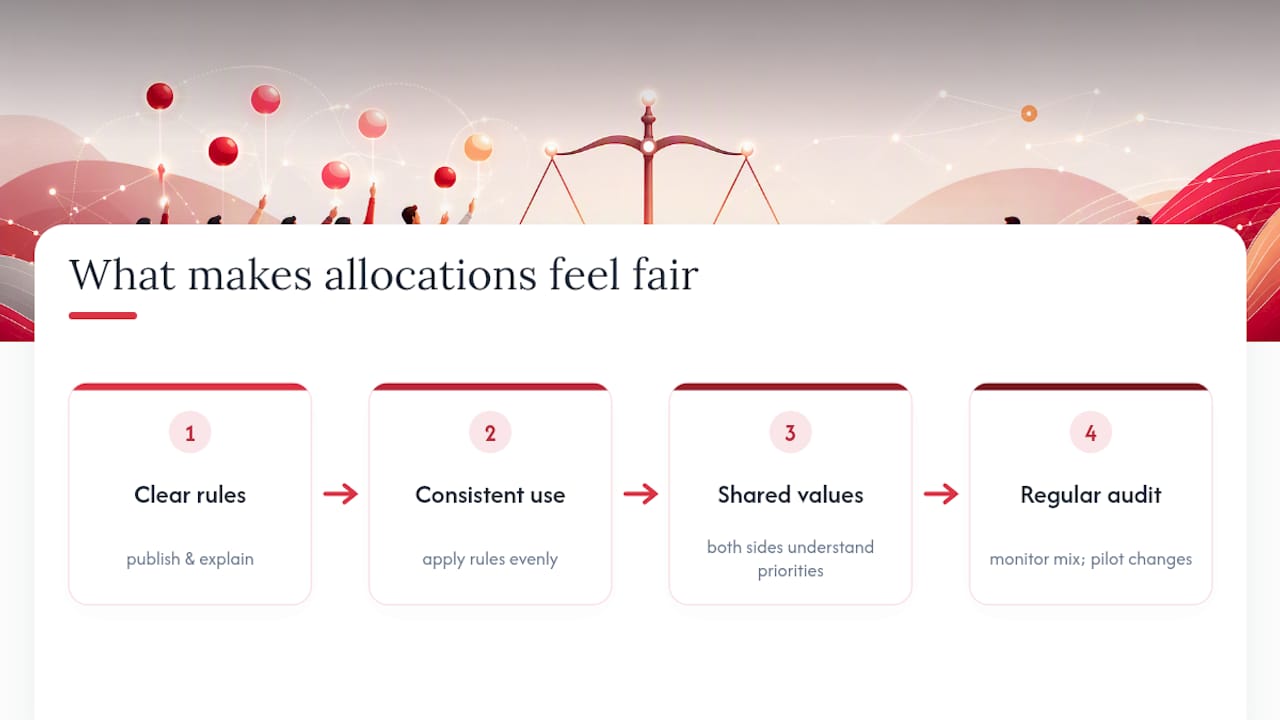
The negotiation research behind value claiming is worth borrowing here: award systems work best when both sides understand what the other values, not just what the rulebook says. A points system that rewards seniority might be technically fair while still frustrating your most skilled newer staff, who see themselves losing out every time.
Run the audit. Look for patterns, not just compliance. Then pilot changes with a measurable goal attached, whether that’s fill time, fairness spread, or staff satisfaction, rather than switching methods on instinct.
— Michael
Getting bidding and claiming right with the right platform
Running both methods properly means having a bid board and a claim board that don’t fight each other, plus the audit trail to prove your award rules are actually being followed. Some workforce management platforms offer that combination in one system, rather than bolting a claim workaround onto a system built for bidding, or vice versa.
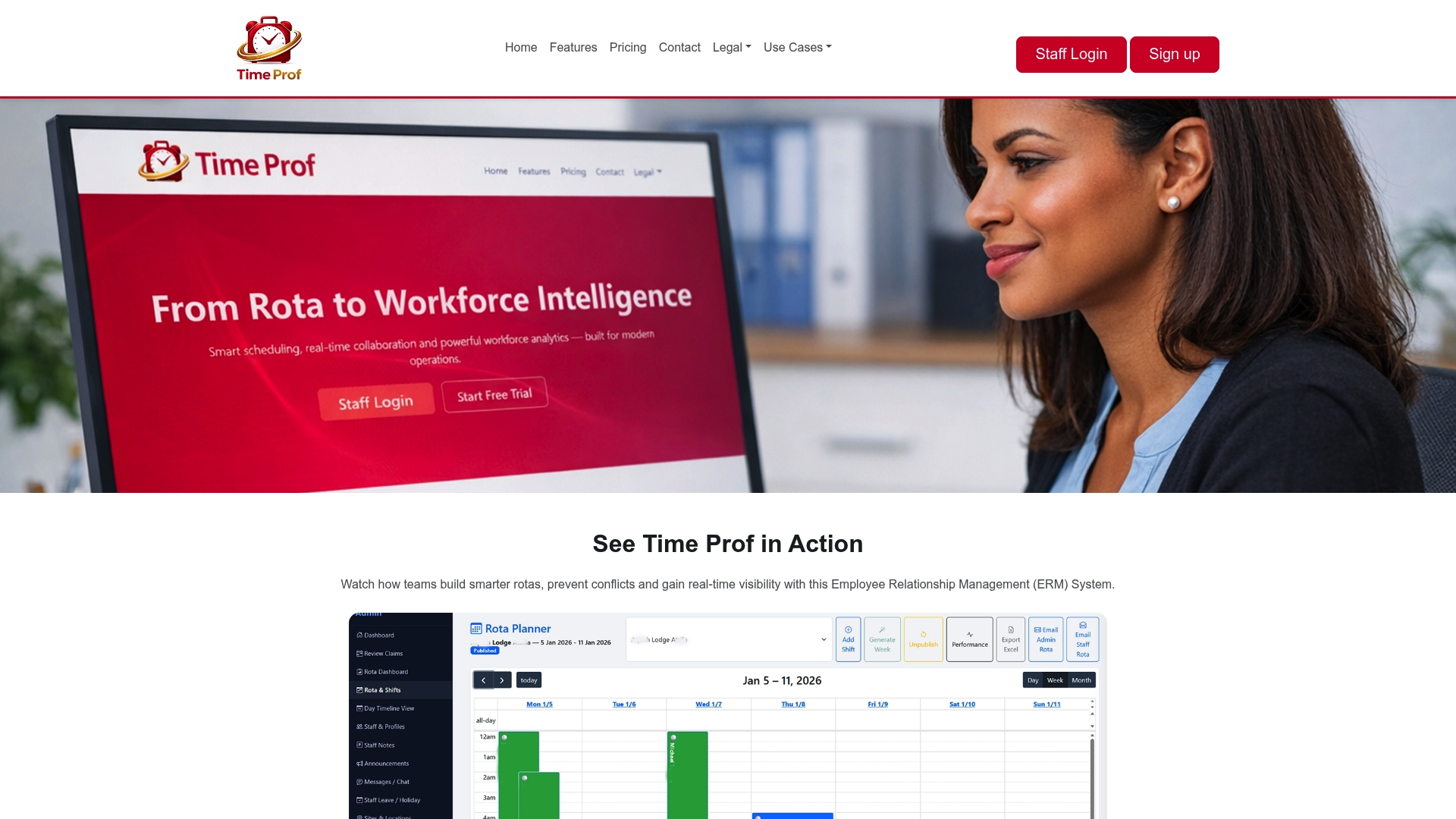
Such platforms can handle configurable eligibility rules, automated tie-break logic for bid boards, first-come processing for claim boards, and audit logs that record every award decision. Real-time mobile notifications can mean staff see new shifts as soon as they’re posted, and reporting tools may flag uneven shift distribution before it turns into a formal complaint. If you’re currently running this through spreadsheets and group chats, that gap between what your policy says and what actually happens is where most disputes start.
Book a demo through the Timeprof landing page and pilot both methods on one team before rolling them out further.
Sources
- How Shift Bidding Works: The Bid Process Step by Step
- Shift Bidding: How It Works, Benefits, and a Template | FirstHR
- Value claiming in negotiation - Program on Negotiation at Harvard Law School
- PMC article on shift work and health