Top 3 Klarvy.ai Alternatives for 2026
Explore 3 klarvy.ai alternatives to enhance workforce management. Compare options and decide what best fits your organisational needs in 2026.

Managing rotas, compliance, and shift coverage across sites with shifting demand and complex labour rules creates gaps and manual errors. Most platforms do not offer predictive scheduling, continuous rule enforcement, or real-time compliance checks and rely on manual updates or isolated data sources. This comparison details artificial intelligence features, rota automation, and compliance tools so operations managers and HR teams can select the right platform for their organisational scale.
Table of Contents
Time Prof
At a Glance
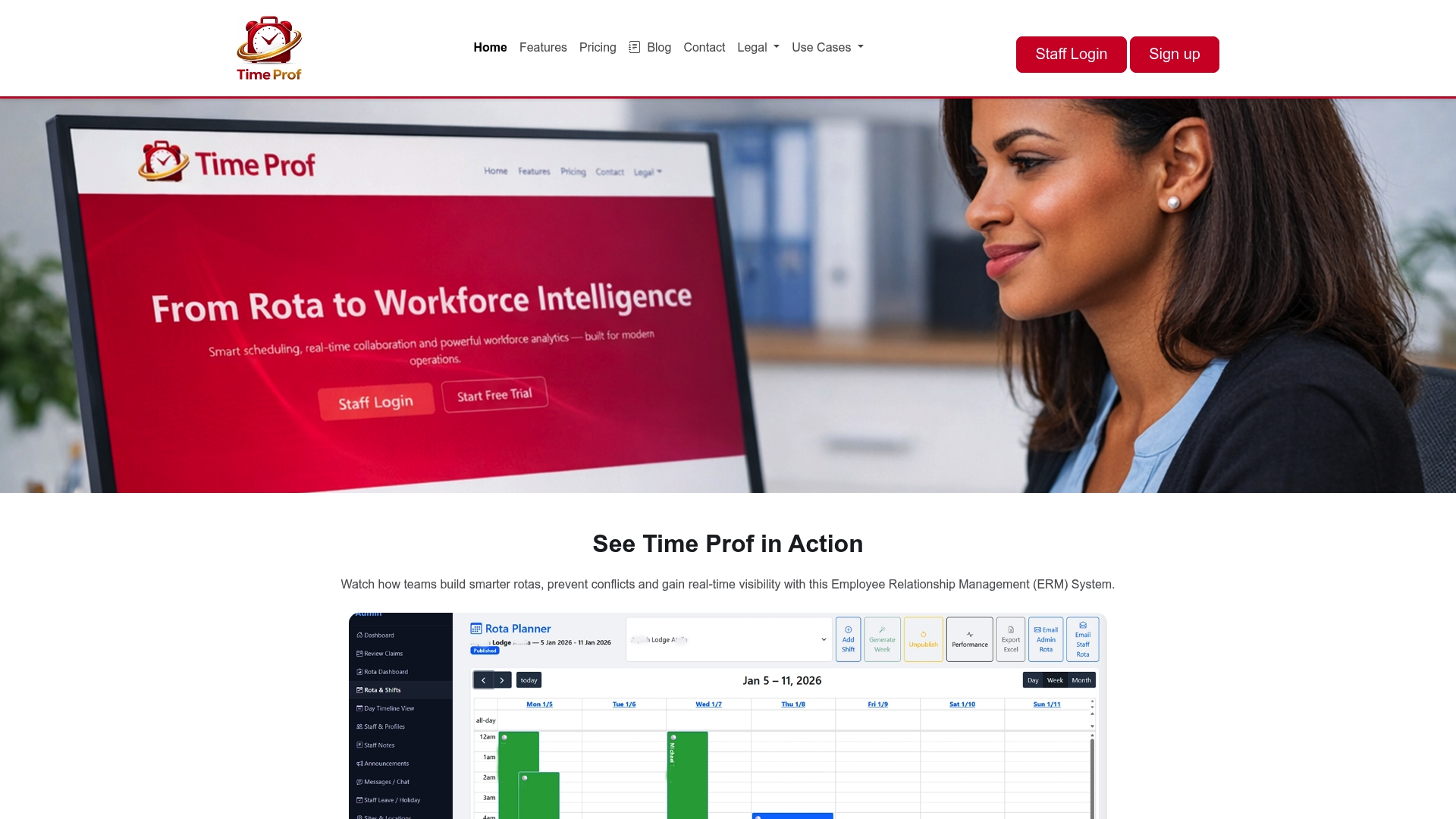
AI driven conflict and fatigue detection flags problematic schedules before shifts begin. The platform centralises rotas, attendance, messages, and audit records into a single secure, mobile friendly system. That central view helps managers across sites spot availability gaps and compliance issues without juggling spreadsheets and phone calls.
Core Features
The Smart Rota Engine applies rules based scheduling and checks skills, availability, and fatigue risk when it builds rotas. A live rota dashboard shows conflicts and open shifts, while geofence clock in records attendance by location. Staff get private and group messaging, shift linked tasks, analytics, and an audit trail for compliance and reporting.
Key Differentiator
The standout element is the AI driven conflict and fatigue detection that flags clashes and elevated fatigue risk before a schedule is published. That feature links availability, skills, and working patterns to practical rota rules, so managers see risky assignments early. The approach reduces manual cross checks and helps keep staff safer on shift.
Pros
Time Prof couples intelligent scheduling with attendance features so managers plan and verify in the same interface. The platform supports multi-site operations, offers integrations, and includes structured onboarding and role based controls for governance. Mobile staff portals and real time notifications keep teams informed, and the full audit trail supports regulatory reporting and internal reviews.
Cons
- Steep initial learning curve; the system may require structured onboarding and training for new teams.
Who It’s For
Organisations running staff across multiple locations that need rules based rotas, attendance tracking, and audit ready compliance. The product suits sectors such as care, healthcare, security, hospitality, cleaning, and retail that must match skills to shifts and record evidence for regulators. Teams moving from spreadsheets and ad hoc messaging will see the greatest operational change.
Unique Value Proposition
The combination of rules based scheduling and on shift verification turns fragmented rostering into a single source of truth. Managers stop reconciling multiple systems and instead use one secure platform for rotas, clock in records, communications, and reports. That workflow reduces manual checks and keeps rota decisions tied to availability, skills, and fatigue indicators.
Real World Use Case
A healthcare provider builds optimised rotas with the Smart Rota Engine, uses geofence clock in to verify attendance, and pulls compliance reports for audits. The provider uses the audit trail when regulators request shift history, and managers reassign staff quickly when the AI driven checks flag fatigue or conflicts.
Pricing
Standard plans start at £3.99 per staff per month and include a £99 setup fee for onboarding on standard plans. Custom enterprise pricing is available for larger deployments and features such as multi tenant administration and bespoke integrations.
Website: https://timeprof.co.uk
Plannam
At a Glance
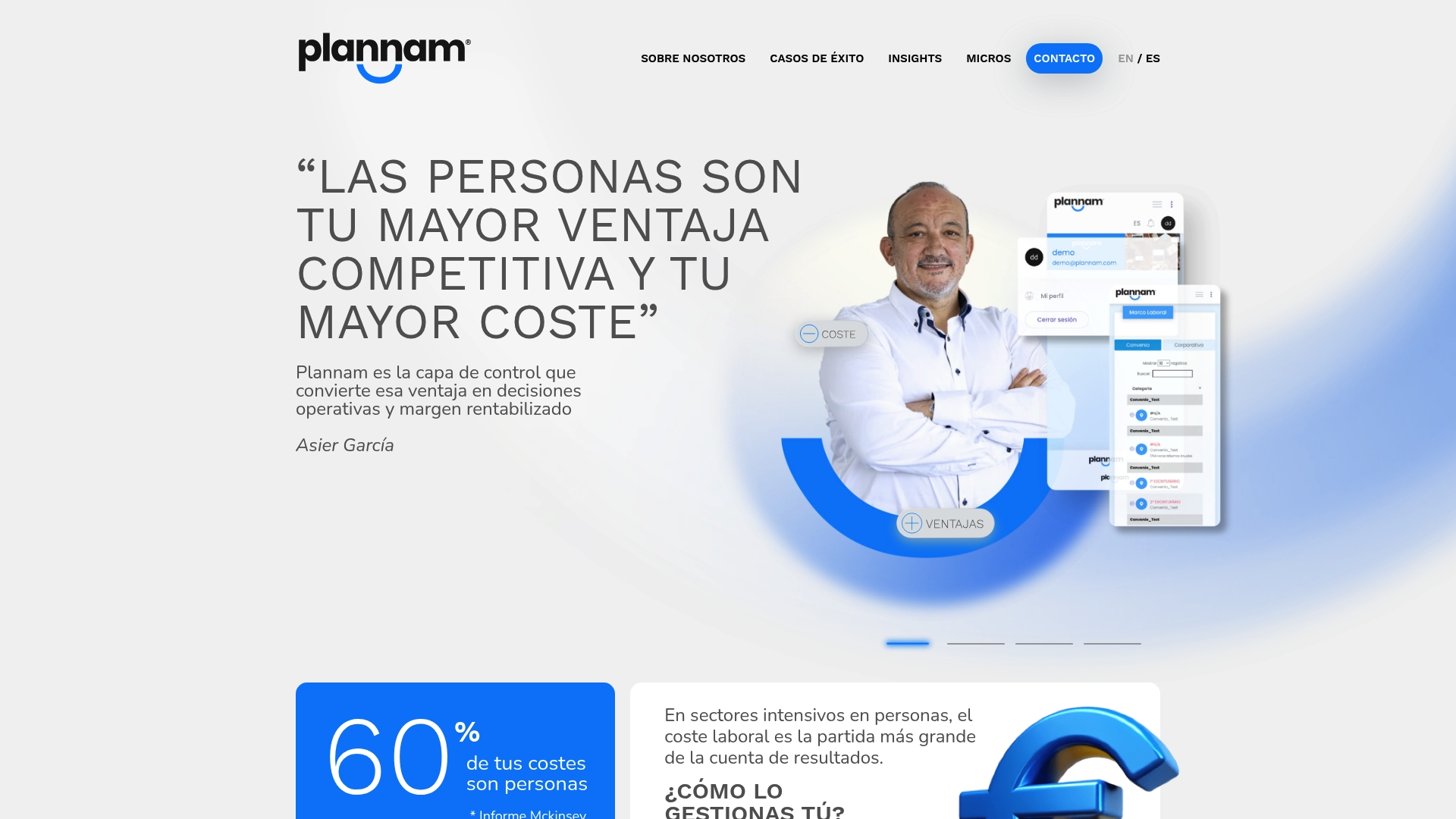
Plannam turns labour planning into strategic business decisions by combining algorithmic models, labour rules and scenario simulation. The platform centralises labour, legal and organisational data to create a single operational view. It targets organisations with multiple sites and complex regulatory constraints.
Core Features
Plannam centralises all labour, legal and organisation data into a single source of truth, then maps HR inputs into real operational capacity. The system runs scenario simulation to anticipate demand peaks and tests shift structures under real constraints. It also offers automatic responses for absences and operational changes in real time.
Key Differentiator
Plannam focuses on turning planning into automated decisions using advanced simulation and rule based models. That focus suits organisations where regulatory compliance, multi centre scale and accurate cost forecasting matter most. The product leans toward strategic planning rather than casual rota editing.
Pros
Plannam enables predictive and automated workforce management that links policy to execution. It integrates live data with ERP and HRIS, which helps convert roster plans into measurable capacity. The simulation capability helps managers test scenarios and understand cost impact before they commit. The platform claims scalable performance across complex, multi centre industries and reports benefits in reduced labour friction and lower costs.
Cons
-
Requires an operational model change. Organisations must adapt processes and governance to extract value.
-
Implementation can demand cultural and procedural change, which extends timelines and resource needs.
-
Strong dependence on data quality. Poor or incomplete inputs limit forecasting and automated responses.
When It May Not Fit
Plannam is not a quick fix for small teams or single site businesses that lack data maturity. It does not suit organisations unwilling to invest in process or cultural change. Buyers with limited integration capability or immature HR and payroll data will see reduced returns. Those seeking a light roster tool rather than strategic decision infrastructure should look elsewhere.
Notable Integrations
Plannam connects with standard enterprise systems rather than consumer apps. Notable integrations include ERP systems and HRIS systems. These connections feed payroll, headcount and legal rule sets into the platform for simulation and optimisation.
Who It’s For
Operations and HR managers in large, multi centre organisations with complex labour rules will find Plannam most useful. It fits sectors with strict regulation and variable demand such as telecommunications, chemical industry, pharmaceuticals and retail. The ideal user manages high staff volumes and needs to forecast costs and coverage precisely.
Real World Use Case
A retail chain uses Plannam to model staffing needs across dozens of stores. Managers simulate weekend demand peaks, then adjust shift templates to preserve coverage and reduce overtime. The platform then adapts schedules in real time when absences occur. This reduces last minute agency spend and clarifies cost impact before changes are applied.
Pricing
Not applicable — informational only
Website: https://plannam.com
Workofo
At a Glance
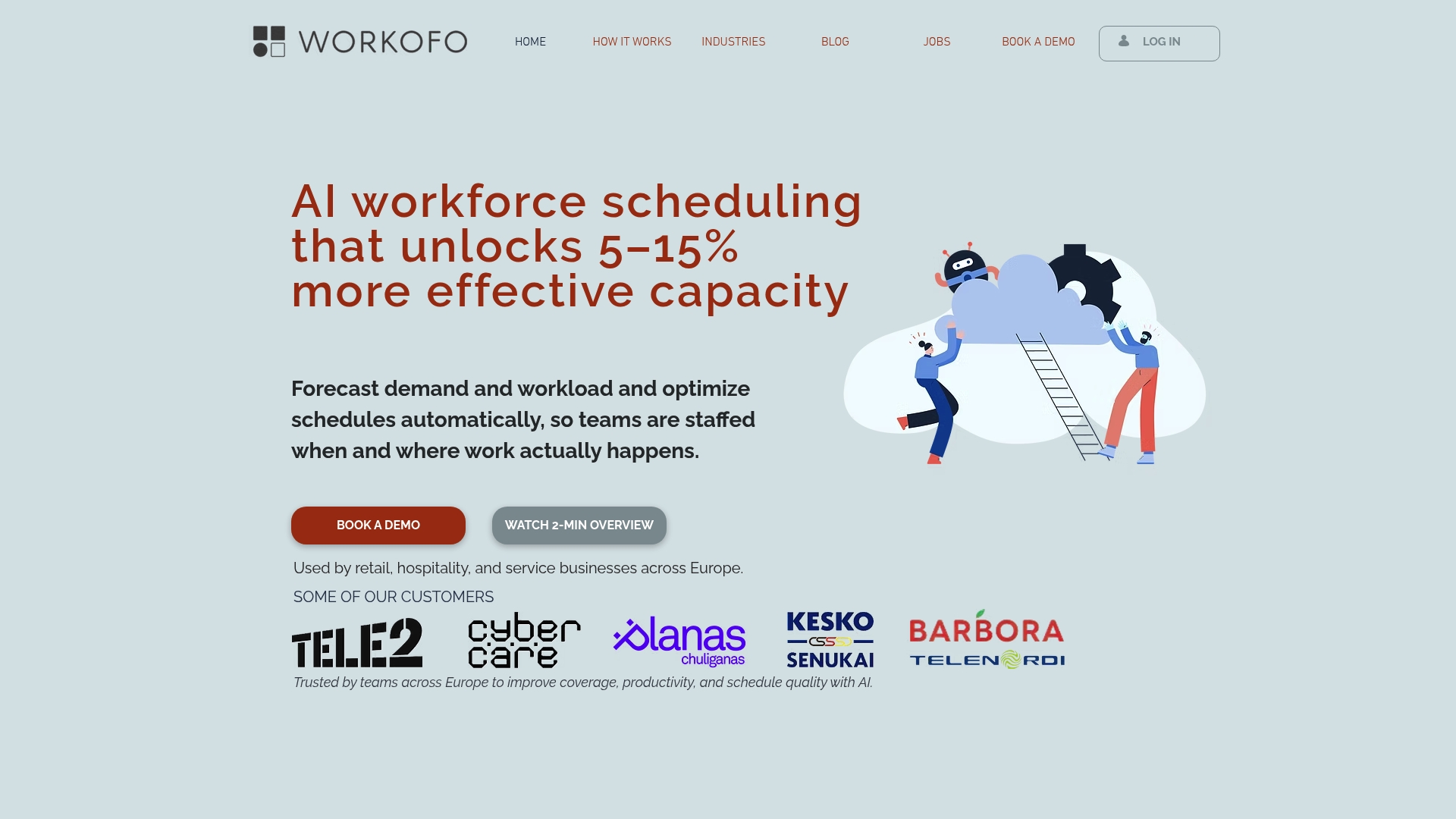
Workofo reports it can unlock 5–15% more effective capacity by optimising shifts and skill mixes. The vendor positions the product across retail, hospitality, aviation, contact centres, and logistics. The platform advertises automatic rule enforcement to reduce manual planning and last-minute rota changes.
Core Features
Workofo combines AI-driven demand forecasting with automated schedule optimisation and real-time schedule adjustments. The system enforces complex labour rules, skills and location constraints while predicting workload so managers can react to short-term spikes. Forecasting and optimisation run continuously to keep rotas aligned with predicted demand and available staff.
Key Differentiator
The defining difference is the pairing of demand forecasting with automatic rule enforcement. That combination prioritises legal and contractual constraints while optimising coverage and skill mix. For organisations with many overlapping rules this reduces manual rule checks and exceptions.
Pros
Workofo reports capacity gains that come from optimising shift patterns and skills; that figure gives a concrete efficiency argument. The scheduling engine aims to improve coverage at peak times without requiring more headcount, which reduces understaffing risk. Built-in compliance and fairness controls cut down on time spent checking contracts and licences.
Cons
-
Third-party reviews suggest limits in customisation for highly specialised or unusual scheduling needs. Exact failure modes are not public.
-
Public detail on integrations and the full feature set is limited, which complicates technical evaluation for IT teams.
-
Pricing details are not published, so total cost of ownership is unclear for procurement cycles.
Who It’s For
Operations managers and HR teams in retail, hospitality, aviation, logistics, and service sectors will find the approach most relevant. Teams that must balance complex labour rules with fluctuating demand will extract the most value. Those running multiple sites with varied skill requirements will benefit from the rule enforcement and forecasting mix.
Real World Use Case
According to the company, a retail chain modelled complex rules and demand swings to reduce scheduled hours by 8–10%. That change translated into lower payroll exposure and steadier service at peak times. Managers reported fewer emergency shift changes and clearer coverage plans.
Pricing
Pricing is not publicly listed and the vendor describes this entry as informational only. Procurement conversations require direct contact with Workofo for tiering and seat or site licensing details. Expect to request a tailored quote for multi-site deployments.
Website: https://workofo.com
Comparison of alternatives
Effective workforce management solutions present diverse approaches, and Time Prof distinguishes itself with its AI-driven conflict and fatigue detection feature. Let’s compare this offering with two other strong candidates: Plannam and Workofo.
Workforce safety features
Time Prof is unique in its integration of AI-driven scheduling analytics that identifies conflict points and prevents employee fatigue while ensuring compliance. This distinctive capability proactively mitigates risks and supports operational safety. Conversely, alternative platforms like Plannam and Workofo, though in demand prediction and optimisation, do not prioritise safety algorithms to the same extent, directing focus to their respective planning and integration advantages.
Adaptability for operational strategies
Plannam excels in strategic workforce allocation by offering scenario-based simulations and operational modelling. This makes it a choice pick for businesses reshaping organisational workflows around compliance and integrated HR and payroll operations. Workofo, on the other hand, delivers real-time forecasting with rule-based adjustments, prioritising on-demand responsiveness. Time Prof targets a balance with adaptable scheduling that supports compliance alongside user-friendly implementation.
Best fit
- Organisations operating across multiple facilities, requiring conflict and fatigue detectors for optimised shifts and worker well-being, will gain significantly from Time Prof.
- Larger enterprises aiming for highly strategic planning underpinned by financial forecasting should consider Plannam due to its advanced scenario-modelling capability.
- Teams in industries like logistics or service with frequent demand changes would benefit from Workofo, which offers real-time AI-driven scheduling optimisations efficiently.
Our pick
For organisations needing a unified solution prioritising workforce safety and decision efficiency, Time Prof is the choice. Its AI-driven features and compliance-focused tools create a practical, user-sensitive workforce management system that supports operational goals and employee well-being efficiently, especially across diverse locations.
Managers seeking workforce management tools often compare platforms based on features, ease of integration, and cost specifics. Below is a detailed comparison:
| Product | Core Feature | Key Differentiator | Ideal User | Pricing | Limitation |
|---|---|---|---|---|---|
| Timeprof | Smart Rota Engine | AI detects conflict and fatigue risks | Multi-site organisations in varied industries | £3.99 per staff/month, £99 setup fee | Steep learning curve |
| Plannam | Scenario simulations for planning | Strategic tools for multi-centre compliance | Large organisations needing scalable solutions | Not published | Resource-intensive implementation and governance needs |
| Workofo | AI-driven demand forecasting | Balances demand with automatic rule enforcement | Retail, hospitality, and varied scale industries | Price not published | Limited customisation for non-standard scheduling demands |
What challenges do Klarvy.ai alternatives address in workforce management?
Managing rotas, staff availability, and compliance manually creates complexity and risks fatigue or oversight. Timeprof offers a powerful AI-driven platform that combines intelligent rota planning, real-time attendance tracking, and audit-ready compliance into a single, mobile-friendly system. It replaces error-prone spreadsheets and disconnected tools, helping teams across care, retail, security, and hospitality work smarter.
Stop juggling multiple systems by adopting Timeprof’s Smart Rota Engine with live dashboards, geofenced clock-in, and private messaging. Visit Timeprof to see how rule-based scheduling and centralised workforce control can reduce errors and improve staff wellbeing. Try a simple setup that flags shift conflicts early and keeps your entire operation connected under one platform.
FAQ
How does Timeprof’s Smart Rota Engine enhance scheduling?
Timeprof’s Smart Rota Engine applies rules-based scheduling that checks skills, availability, and fatigue risk. This feature helps managers create optimal rotas while ensuring staff safety and compliance. Try Timeprof to benefit from intelligent scheduling that reduces manual checks.
What is the difference between Timeprof and Plannam?
Plannam focuses on turning planning into automated decisions using advanced simulation and rule-based models, making it ideal for complex environments. Timeprof, in contrast, excels in conflict and fatigue detection to keep staff safer on shift. Consider Timeprof if your priority is managing staff well-being alongside scheduling.
Which platform supports compliance reporting effectively?
Timeprof includes a full audit trail that supports regulatory reporting and internal reviews. This feature enables organisations to keep detailed records of staff attendance and rota decisions. Opt for Timeprof if compliance is a critical aspect of your workforce management.
Can I use Timeprof for multi-site operations?
Timeprof supports multi-site operations, allowing managers to spot availability gaps and compliance issues efficiently. By centralising rotas, attendance, and communications, Timeprof provides a comprehensive solution for businesses with staff across various locations. Choose Timeprof to simplify management across sites.
How does Timeprof handle automated communication among staff?
Timeprof facilitates private and group messaging, enabling efficient communication within teams. This feature keeps staff informed and engaged, enhancing overall operational efficiency. Leverage Timeprof to streamline communications alongside scheduling and attendance tracking.